
What is a Membrane Filter Used For?
2025-01-07
MS
65
Membrane filters are essential tools in a wide range of industries, offering precise separation of particles, microorganisms, and other contaminants from liquids and gases. By utilizing pressure, membrane filtration separates suspended matter from soluble components, making it an indispensable method for both industrial and laboratory applications. But what exactly are membrane filters, and how are they used? This blog will provide a comprehensive guide to the different types of membrane filters and their varied applications.
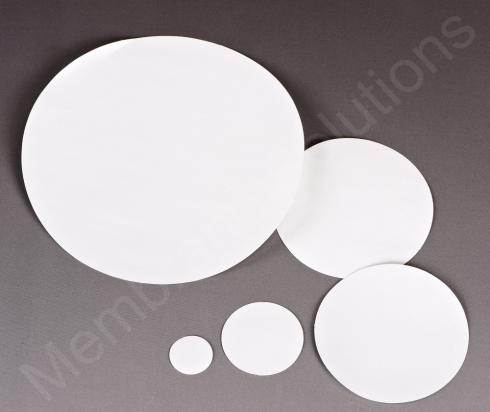
What is a Membrane Filter?
A membrane filter, also known as a microporous filter, consists of a semi-permeable membrane with specific pore sizes. These filters are designed to capture particles and microorganisms that are larger than the pore size, while allowing smaller particles and liquids to pass through. The filtration process works by forcing a fluid—such as water—through the membrane using pressure. The result is a purified liquid or gas with contaminants removed.
Membrane filters are widely used in industries ranging from water treatment and pharmaceuticals to food processing and biotechnology, offering precise filtration for a variety of applications.
Types of Membrane Filters and Their Uses
Membrane filters come in several types, each with unique properties suited for specific applications. Here’s a breakdown of the most common types and their uses:
1. Mixed Cellulose Esters (MCE) Filters
These filters are made from cellulose acetate and cellulose nitrate and are highly porous with a quick wetting time. Due to their high purity, they are commonly used in:
- Microbiology: Sterilization of biological fluids
- Air Monitoring: For contamination analysis
- Laboratory Applications: Such as microbiological studies and air quality testing
2. Cellulose Acetate Filters
Cellulose acetate filters are made from cellulose diacetate and triacetate. These filters are sterilizable, offer high strength, and have a low static charge. Key uses include:
- Diagnostic Cytology: Used in diagnostic tests
- Enzyme Solution Filtration: To purify enzyme solutions
- Enhanced Recovery: Ideal for isolating gram-positive, fastidious organisms
3. Coated Cellulose Acetate Filters
These filters are cellulose acetate membranes cast onto a polyester support. They offer improved chemical compatibility and low static charge, making them ideal for:
- Clarifying Prefilters: Used to filter liquids before other filtration processes
4. Hydrophilic PTFE Filters
Poly(tetrafluoroethylene) or PTFE filters offer exceptional chemical resistance, especially when wet. These filters are perfect for high-flow filtration of organic and aqueous solvent mixtures. Typical applications include:
- HPLC: High-performance liquid chromatography
- Organic and Aqueous Mixtures: For various solvent separation applications
5. Hydrophobic PTFE Filters
These filters are designed for filtering gases and air, with strong resistance to harsh chemicals. Hydrophobic PTFE filters are widely used in:
- Sterilizing Gases: Such as air and sterile environments
- Clarifying Strong Acids or Solvents: Ideal for filtering harsh chemicals that other filters can’t handle
6. Nylon Filters
Nylon filters are heat-resistant and hydrophilic, making them ideal for a variety of solvent-based applications. They are commonly used in:
- HPLC Sample Preparation: For preparing samples in high-performance liquid chromatography
- Vacuum Degassing: In various industrial processes
- Sterilizing Organic and Aqueous Solvents: For preparing organic and aqueous solvent solutions
More Information
For more detailed insights and inquiries about glass fiber filters, please visit the Membrane Solutions website. You can leave a message or follow us for updates on our latest products and innovations. We’re here to assist you with your filtration needs and provide tailored solutions that meet your specific requirements. Don’t hesitate to reach out!