
What are the 4 Types of Membrane Filtration?
2025-01-07
MS
117
Membrane filtration is an essential process in various industries, including water treatment, biotechnology, pharmaceuticals, and food and beverage processing. This technique uses semi-permeable membranes to separate contaminants from liquids or gases. Depending on the size of the particles or molecules to be removed, different types of membrane filtration are employed. In this blog, we’ll explore the four main types of membrane filtration, their processes, and the applications that make them indispensable.
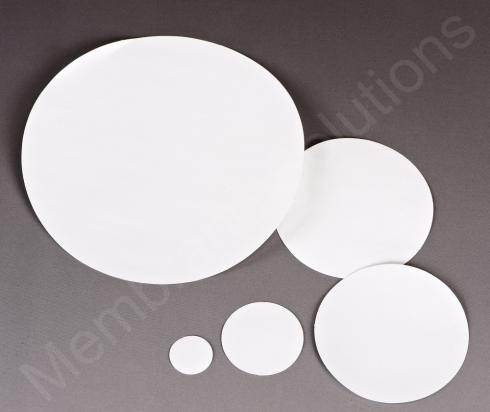
Introduction to Membrane Filtration
Membrane filtration works by forcing a fluid through a semi-permeable membrane under pressure. The membrane only allows particles smaller than its pore size to pass through, while larger particles and contaminants are retained. This method provides an effective and efficient way to purify liquids, separate components, and even remove harmful microorganisms. There are four primary types of membrane filtration, each suited to different particle sizes and applications.
1. Microfiltration (MF)
Microfiltration (MF) is the process of separating particles with sizes ranging from 0.1 to 10 microns. This type of filtration is typically used to remove large particles, such as bacteria, suspended solids, and algae, from liquids.
Applications of Microfiltration:
- Water Treatment: MF is commonly used in drinking water treatment and wastewater filtration to remove particles like dirt, debris, and microorganisms.
- Food and Beverage Industry: Microfiltration is used to clarify liquids, including juices, milk, and beer, by removing large particles and microorganisms.
- Biotechnology: It is also used in biotechnology for clarifying fermentation broths and separating cells or larger particles.
2. Ultrafiltration (UF)
Ultrafiltration (UF) operates at a finer level than microfiltration, with membrane pores in the range of 1 to 100 nanometers. This process can remove smaller particles, including proteins, viruses, and other macromolecules.
Applications of Ultrafiltration:
- Dairy Processing: Ultrafiltration is widely used in the dairy industry for milk and whey protein concentration, as well as the production of lactose-free milk.
- Pharmaceutical Industry: UF is crucial for separating proteins, enzymes, and viruses in pharmaceutical manufacturing.
- Water and Wastewater Treatment: UF is used for the filtration of smaller contaminants like organic molecules, colloidal particles, and viruses.
3. Nanofiltration (NF)
Nanofiltration (NF) membranes are even finer than ultrafiltration membranes, with pore sizes ranging from 1 to 10 nanometers. This filtration type removes not only larger organic molecules but also divalent ions such as calcium and magnesium, which makes it ideal for water softening applications.
Applications of Nanofiltration:
- Water Softening: NF is commonly used in water treatment to remove hardness (calcium and magnesium ions) and improve water quality.
- Food and Beverage Industry: Nanofiltration is used in the food industry for processes like sugar decolorization and concentration of juices.
- Industrial Applications: NF can also help in removing contaminants from industrial effluents and processes involving organic solvents.
4. Reverse Osmosis (RO)
Reverse Osmosis (RO) is the most advanced and selective type of membrane filtration, using a semi-permeable membrane to remove a wide range of contaminants, including salts, organic compounds, heavy metals, and even bacteria and viruses. The pore size of RO membranes is typically less than 1 nanometer, allowing for the most thorough filtration process.
Applications of Reverse Osmosis:
- Desalination: RO is widely used to convert seawater into freshwater in desalination plants.
- Water Purification: Reverse osmosis is essential for producing high-purity water, especially in applications like drinking water treatment and pharmaceutical production.
- Industrial Water Treatment: RO helps in reducing water hardness, removing minerals, and recovering valuable solvents in various industrial applications.
Conclusion: Choose the Right Membrane Filtration Type
Understanding the different types of membrane filtration is key to selecting the best solution for your specific application. Whether you’re looking to remove large particles in water treatment, concentrate proteins in the biotechnology field, or desalinate seawater, there’s a membrane filtration technology suited to your needs. At Membrane Solutions, we offer a wide range of membrane filtration products tailored to meet the requirements of various industries.
For more detailed insights into membrane filtration, or if you’re interested in finding the right filtration solution for your project, visit the Membrane Solutions website. Feel free to reach out to us for personalized recommendations or to inquire about our latest products and innovations. We’re here to support your filtration needs and provide effective, efficient solutions.