
How Often Should RO Membrane Be Replaced?
2025-01-08
MS
355
Reverse Osmosis (RO) systems are a highly effective way to purify water, providing clean, safe water for drinking, industrial use, and more. However, like all components in a filtration system, RO membranes have a limited lifespan and eventually need to be replaced. Knowing how often you should replace your RO membrane is key to maintaining optimal performance and ensuring the continued efficiency of your water purification system.
In this article, we will discuss the factors that influence the lifespan of RO membranes, how to determine when it’s time to replace them, and best practices to extend their life.
What Is an RO Membrane?
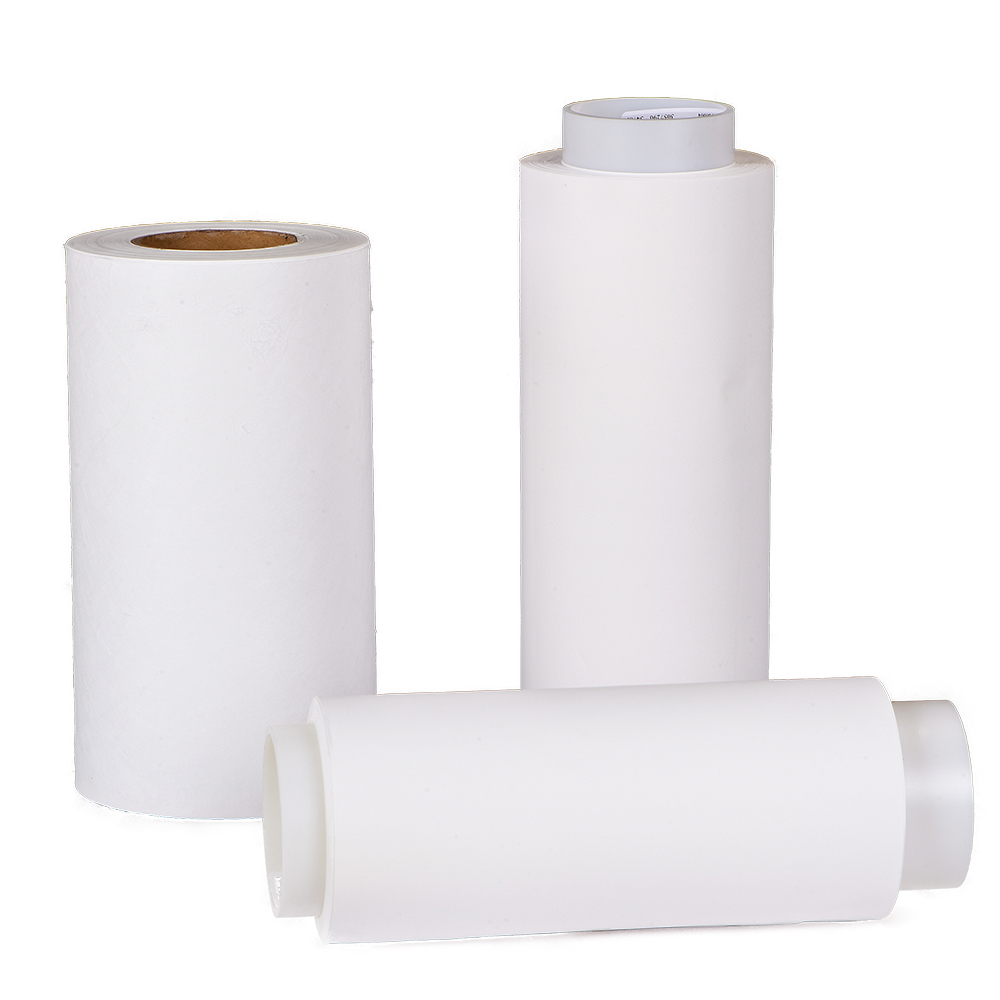
An RO membrane is the core component in a reverse osmosis filtration system. It is a semi-permeable barrier that filters out contaminants, including salts, bacteria, heavy metals, and other impurities, allowing only purified water to pass through. RO membranes are made from a thin, porous material that selectively allows water molecules to pass while blocking contaminants.
Despite their durability, RO membranes will degrade over time due to factors like water quality, maintenance practices, and system usage. Regular replacement is necessary to ensure your RO system continues to produce high-quality water.
Factors Affecting the Lifespan of an RO Membrane
The lifespan of an RO membrane can vary based on several factors:
Water Quality
The quality of the feedwater has a significant impact on the life of your RO membrane. Water that is highly contaminated or contains high levels of chlorine, salts, minerals, or organic matter can cause the membrane to degrade more quickly.
Hard water, for example, can lead to scaling (mineral buildup) on the membrane, which can block the pores and reduce filtration efficiency.
Pre-Treatment Systems
Pre-treatment systems like sediment filters and carbon filters help remove larger particles and chlorine from the feedwater before it enters the RO membrane. Proper pre-treatment can significantly extend the lifespan of your RO membrane.
Chlorine, in particular, can be harmful to RO membranes and must be removed before the water reaches the membrane. If chlorine is present, it can degrade the membrane material, leading to faster wear.
Usage
The more water your RO system processes, the sooner the membrane may need to be replaced. High-volume systems, or systems that run continuously, will naturally wear out membranes more quickly than systems that are used less frequently.
Maintenance and Cleaning
Regular maintenance, including cleaning and descaling, can extend the life of an RO membrane. However, neglecting maintenance tasks, such as cleaning or replacing pre-filters, can lead to faster deterioration of the membrane.
Operating Conditions
RO membranes are designed to work under specific pressure and temperature conditions. Deviations from the optimal operating range can cause damage to the membrane, reducing its lifespan.
How Long Do RO Membranes Typically Last?
Under ideal conditions, the typical lifespan of an RO membrane is between 2 to 5 years. However, this is just an estimate, and the actual lifespan can vary depending on the factors listed above.
- Residential Systems: In home reverse osmosis systems, membranes generally last about 2 to 3 years with proper maintenance and water quality. If the water is particularly hard or contains high levels of chlorine, the membrane may need to be replaced sooner.
- Industrial Systems: Industrial-scale reverse osmosis systems, which process much larger volumes of water, may require more frequent membrane replacements. In these systems, membranes typically last around 3 to 5 years, but this can vary based on the water quality and maintenance schedule.
How to Tell When Your RO Membrane Needs to Be Replaced
There are several signs that indicate it might be time to replace your RO membrane:
Decreased Water Output
- If you notice that the flow rate of water coming from your RO system has significantly decreased, it may be a sign that the membrane is clogged or damaged. Over time, contaminants can accumulate on the membrane, reducing its ability to filter water.
Poor Water Quality
- If the water produced by your RO system begins to taste bad, appear cloudy, or show elevated levels of Total Dissolved Solids (TDS), this could indicate that the membrane is no longer effectively removing contaminants.
Increased Pressure Drop
- An increase in pressure drop across the system (measured by a pressure gauge) may indicate that the membrane is becoming clogged or fouled. This can lead to a decrease in water production and increased system energy consumption.
Frequent System Maintenance
- If you find yourself needing to perform frequent cleaning or servicing on your RO system, it may be an indication that the membrane is wearing out and should be replaced.
Age of the Membrane
- As mentioned earlier, most RO membranes need to be replaced after 2 to 5 years. If your membrane has been in use for this long, it’s a good idea to replace it, even if you haven’t noticed any significant performance issues. Aging membranes may not perform as efficiently and could be at risk of failure.
How to Extend the Life of Your RO Membrane
Replacing your RO membrane can be expensive and time-consuming, so it's worth taking steps to extend its lifespan. Here are some tips to help maximize the life of your RO membrane:
Use Proper Pre-Treatment
- Install and maintain pre-filters, including sediment and carbon filters, to remove larger particles and chlorine before they reach the RO membrane. This helps protect the membrane from fouling and degradation.
Monitor Water Quality
- Regularly check the quality of your feedwater. If necessary, install a water softener to reduce hard water, or use a chlorine-removal filter to protect the membrane from damage.
Regular Maintenance
- Perform regular maintenance on your RO system, including cleaning the membranes and replacing pre-filters. Regular maintenance will ensure that your system runs efficiently and prevent build-up on the membrane that can lead to clogging.
Optimize Operating Conditions
- Ensure that your RO system operates within the recommended pressure and temperature ranges. Excessive pressure or extreme temperatures can damage the membrane and reduce its lifespan.
Replace Membranes on Time
- Even with proper maintenance, RO membranes will eventually wear out. Replacing them on time ensures that your system continues to deliver clean, high-quality water.
Conclusion
Knowing when to replace your RO membrane is crucial for maintaining the performance and efficiency of your reverse osmosis system. In general, most RO membranes need to be replaced every 2 to 5 years, depending on water quality, system usage, and maintenance practices. By monitoring your system’s performance and adhering to a regular maintenance schedule, you can extend the lifespan of your RO membrane and ensure that your system provides clean, purified water for years to come.
If you need to replace your RO membrane, or if you’re looking for high-quality replacement membranes for your system, visit Membrane Solutions. Our wide selection of RO membranes ensures that you’ll find the perfect fit for your water purification needs.